-
 Continue reading →: Muscle Atrophy in Dogs: Why Dogs Lose Muscle & How to Help Them Regain Strength
Learn what causes muscle atrophy in dogs, why senior dogs lose muscle in their back legs, and how exercise, rehabilitation, and mobility support can help.
-
 Continue reading →: Dog Can Walk but Can’t Stand Up: What Does It Mean?
dog can’t get up but can walk, dog struggling to stand up, dog having trouble getting up, old dog can’t stand up, dog back legs weak when standing, dog needs help getting up
-
 Continue reading →: Why Is My Dog’s Back Leg Giving Out? Causes, Warning Signs & What to Do
Dog back leg giving out? Whether from arthritis, injuries or neurological conditions, learn warning signs and when to see a vet.
-
 Continue reading →: My Family Thinks a Dog Wheelchair Is Cruel—Now What?
Are dog wheelchairs cruel? Learn what veterinarians, rehabilitation experts, and pet parents say about dog wheelchairs, quality of life, and when mobility carts actually improve a dog’s happiness.
-
 Continue reading →: Why Is My Dog Slipping? 10 Common Causes and How to Help
Wondering why your dog keeps slipping on hardwood or tile floors? Learn the most common causes, including arthritis, weakness, neurological disease, and simple ways to improve your dog’s stability.
-
 Continue reading →: Why Is My Dog Dragging Their Paws? Causes, Treatment, and When to Worry
Is your dog dragging their paws while walking? Learn the most common causes of paw dragging, including arthritis, IVDD, degenerative myelopathy, nerve injuries, and when it’s time to see your veterinarian.
-
 Continue reading →: Weak Back Legs in Dogs: Causes, Symptoms, Treatment, and Recovery
Does your dog have weak back legs or trouble standing? Learn the most common causes of hind leg weakness in dogs, warning signs, diagnosis, treatment options, and ways to improve mobility.
-
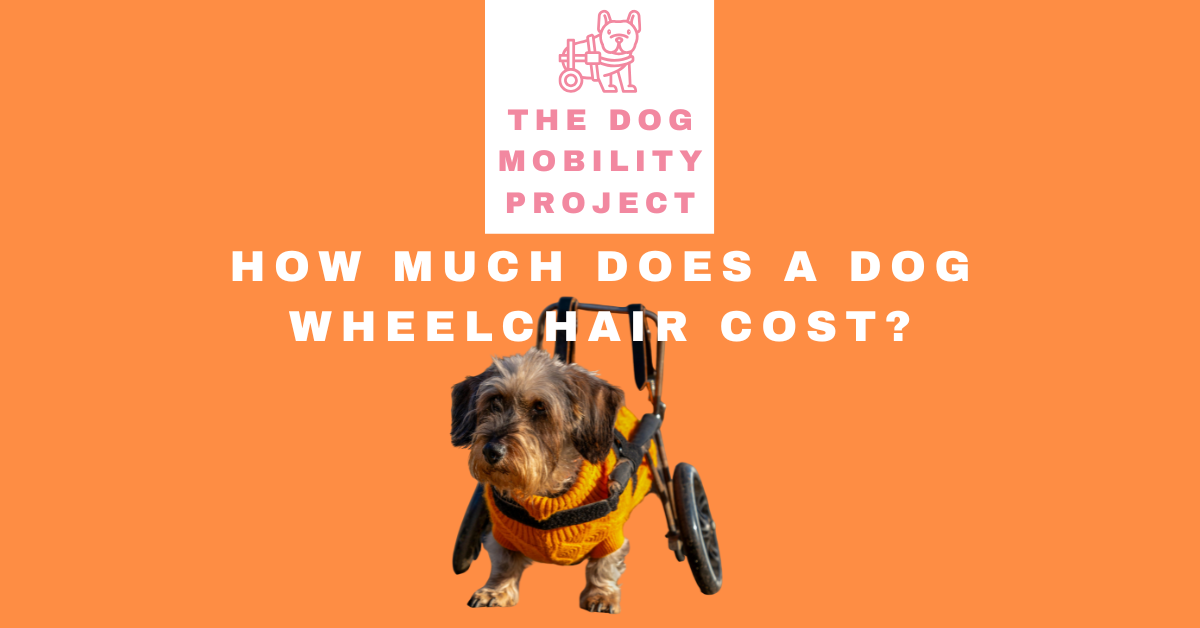 Continue reading →: How Much Does a Dog Wheelchair Cost? A Complete Buyer’s Guide (2026)
Dog wheelchairs can cost between $180 and $1,500, Wondering how much a dog wheelchair costs? Compare prices for rear, quad, and custom dog wheelchairs, learn what affects cost, and discover ways to save money without sacrificing quality.
-
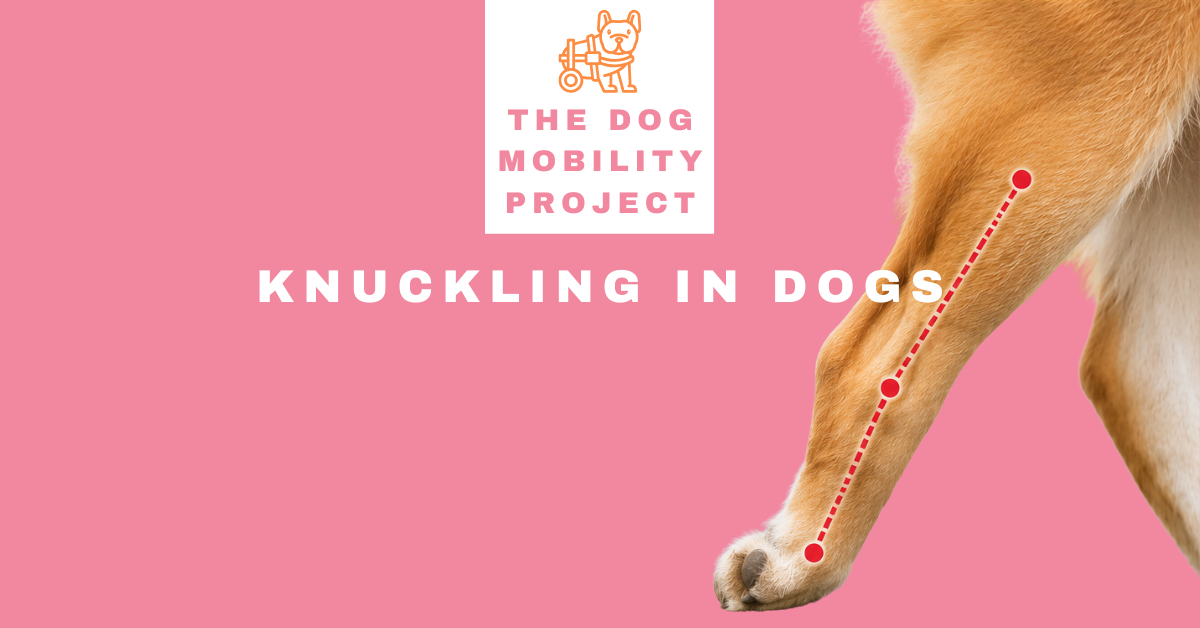 Continue reading →: Dog Knuckling: Why It Happens, Treatment Options, and Recovery
Is your dog knuckling or walking on the top of its paw? Learn the most common causes of dog knuckling, how veterinarians diagnose it, treatment options, and when emergency care is needed.
-
 Continue reading →: Early Signs of Mobility Problems in Dogs: Symptoms, Causes & What to Do
Learn the early signs of mobility problems in dogs, including limping, slipping, weakness, paw dragging, and changes in gait. Discover what these symptoms may mean and when to seek veterinary care.
Hello,
I’m Jennifer

Welcome to The Dog Mobility Project. I’ve seen firsthand the transformative power that adaptive equipment can have on a pet’s life. I’ve heard countless pet parents express regret for not discovering dog wheelchairs or other mobility solutions sooner. That’s why The Dog Mobility Project is so close to my heart.